
Open Daily 9:30–6:00, Monday Until 8:00

For centuries, African histories have mostly been narrated by explorers, colonial officials, and Western institutions, often neglecting the perspectives of local communities. This has led to gaps, simplifications, and sometimes misinterpretations of their stories. The Kuba people, a key civilization in Central Africa, are no exception. While their artistic heritage is now widely recognized and displayed in global museums, their origins, migrations, and figures like Woto are poorly documented or transmitted mainly through oral tradition.
In a time when issues like heritage restitution, decolonizing archives, and reclaiming memory are central worldwide, it is essential to amplify the voices of those who hold this history. Testimonies from descendants, tradition keepers, researchers, and cultural institutions enrich the narrative, challenge official histories, and complement written records. The WOTO project contributes to this effort.
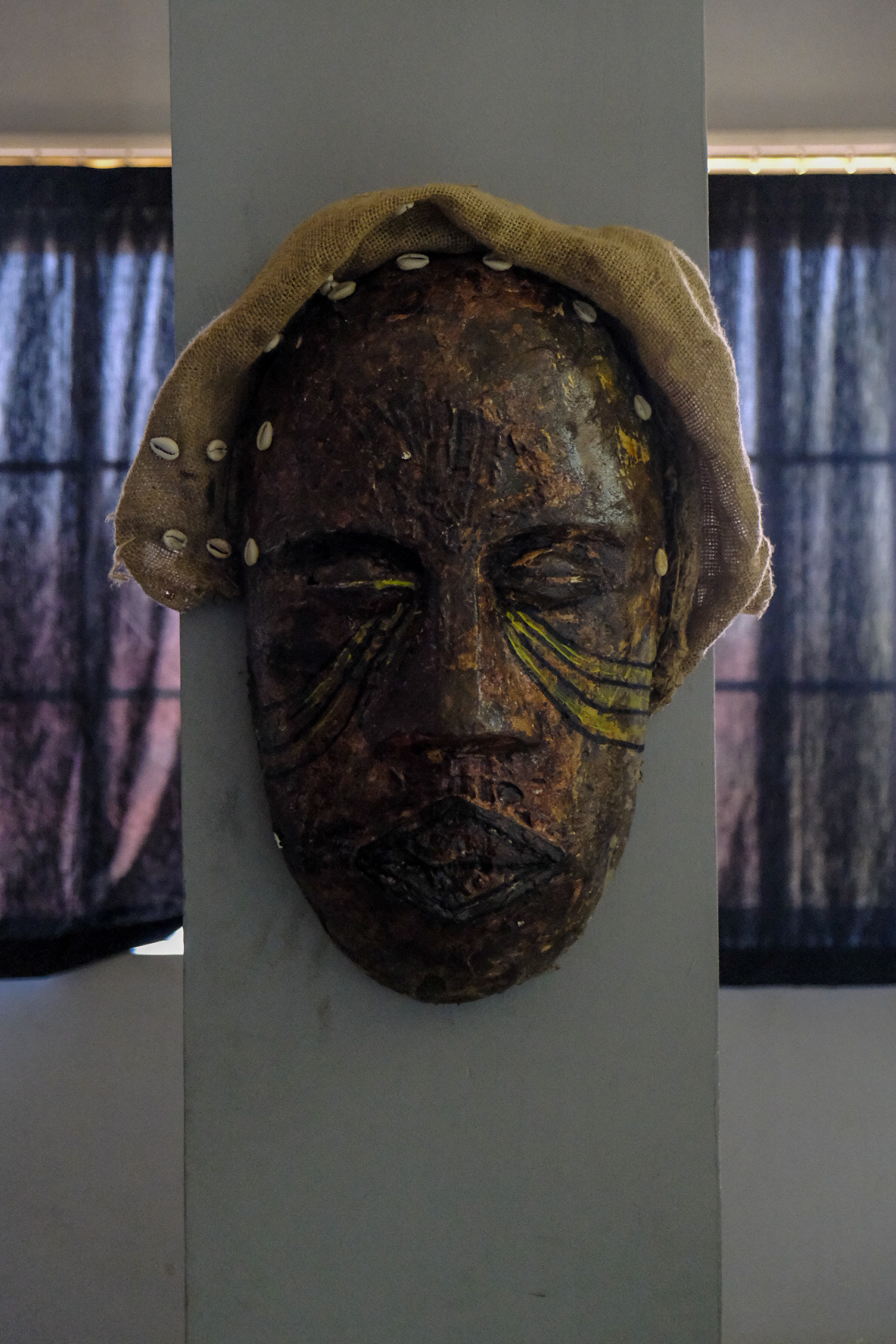
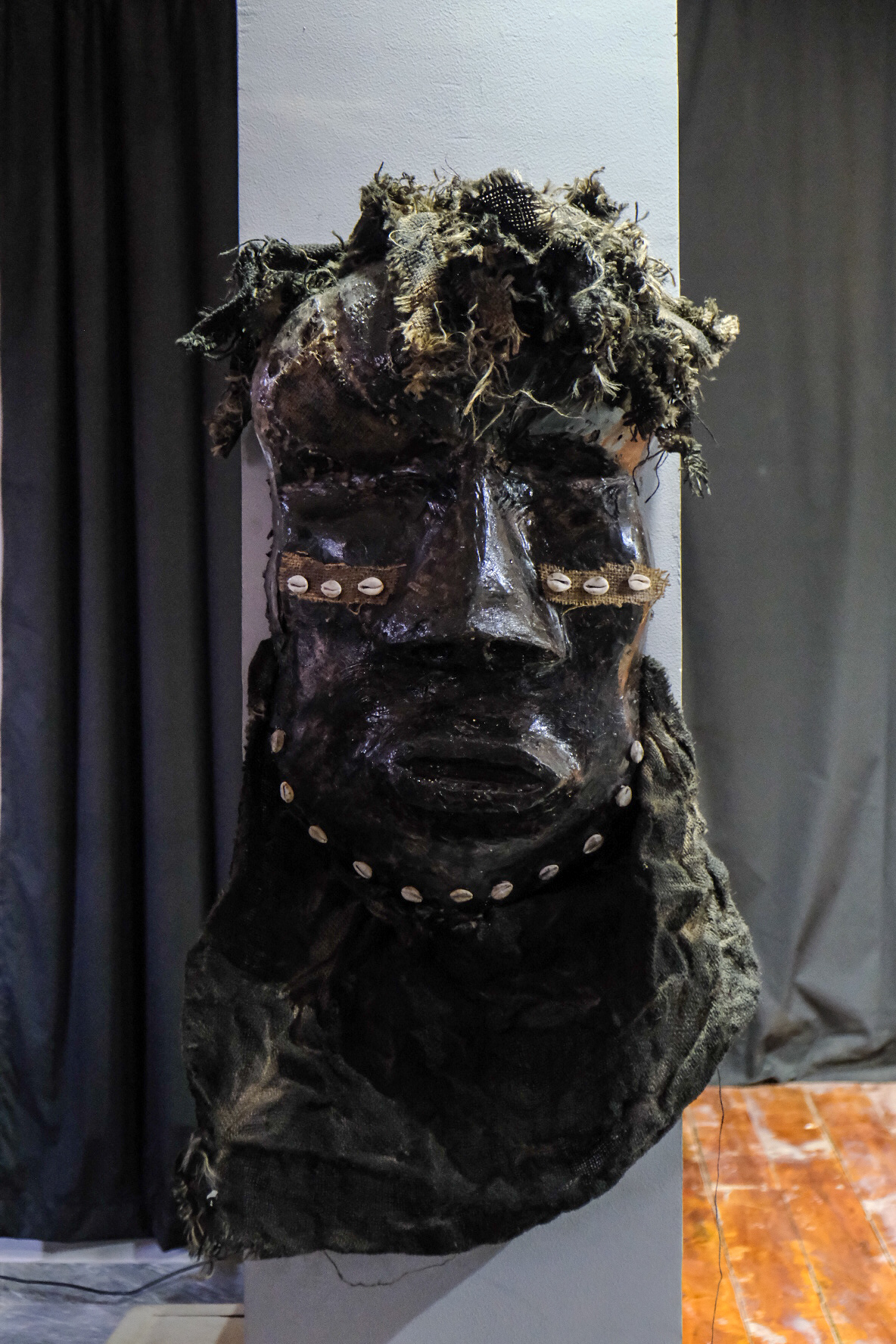
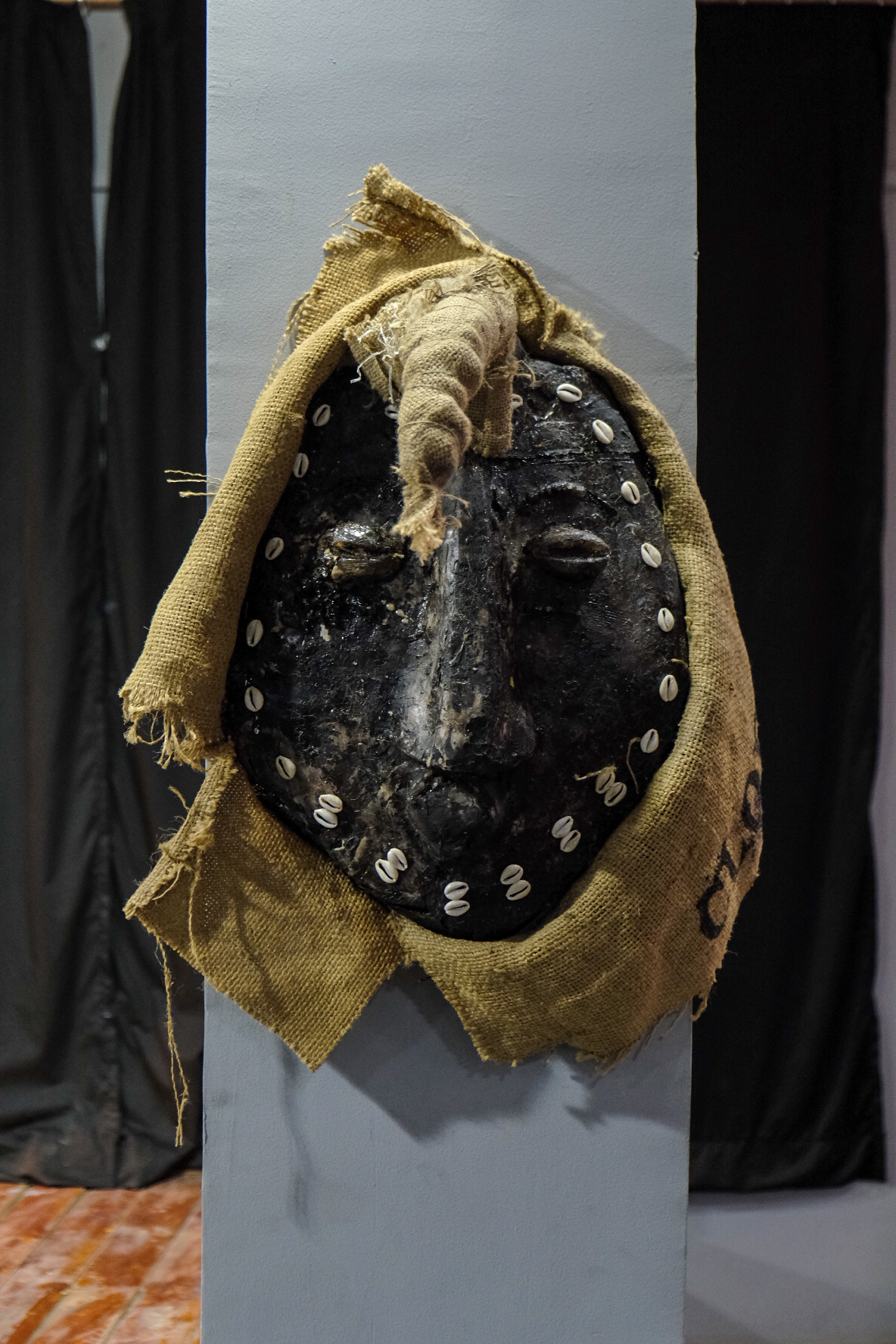
Using a mix of documentary film, historical research, oral history, and contemporary art, it offers a fresh view of the Kuba people’s migration since the 17th century. The project goes beyond recounting history; it prompts reflection on identity, belonging, transmission, and collective memory.
As part of the Biennale, WOTO creates a space for dialogue among history, heritage, and art. It examines how stories are constructed and shared, emphasizing the importance of African communities actively participating in shaping and sharing their own histories.